

AI Traffic Cameras in the US Spark Backlash From Police Chiefs

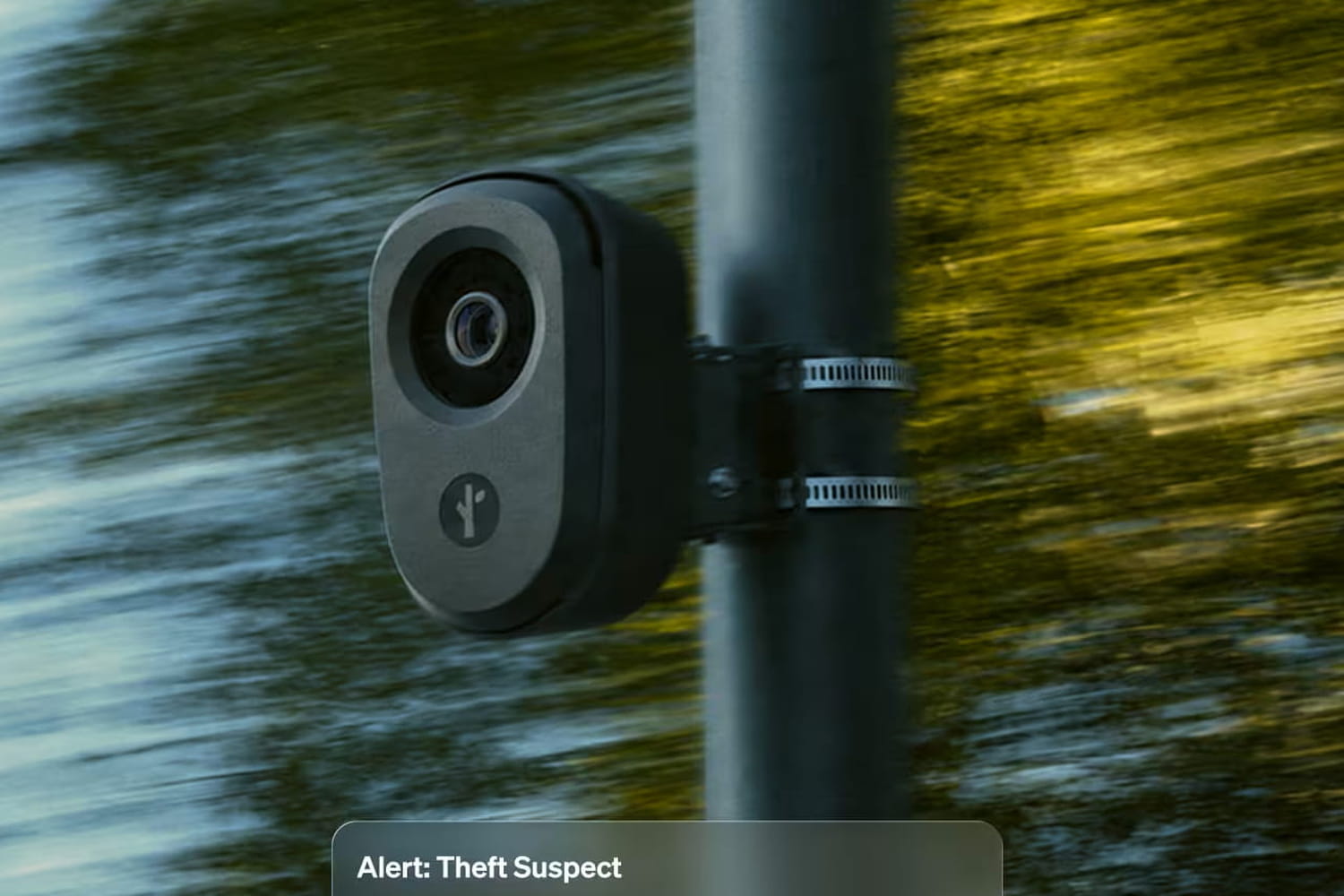
Imagine a network of cameras that can recognize your car not just by its license plate, but also by its color, make, model, and even the stickers on its body. This isn't science fiction—this system already exists and covers much of the United States. Its name: Flock. But the very effectiveness of this technology is now leading to its downfall in several American cities.
Officially, cameras from Flock Safety are marketed as simple automatic license plate readers. In reality, they go much further. Thanks to artificial intelligence, the system can identify a vehicle based on a wide range of unique features and track it across the country. With more than 300,000 cameras installed nationwide, the network is so dense that it's nearly impossible for a driver to travel without being spotted, recorded, and tracked.
This technological power initially won over law enforcement, who saw it as a valuable tool for locating stolen vehicles or suspects on the run. But abuses quickly multiplied. Some officers were arrested for misusing the system for personal reasons. An automotive journalist was violently detained by mistake in Minnesota, the victim of a simple administrative error made... in California, thousands of miles away. Even more concerning: some drivers were pulled over solely because artificial intelligence flagged their travel history as "suspicious." In other words, a machine decided a citizen deserved to be stopped, even though they had committed no offense.
In response to these repeated abuses, American citizens have grown increasingly angry. In many cities, frustrated residents have confronted their city councils, demanding the cameras be removed entirely, citing a massive invasion of privacy. Some activists even invented the "Flock Sock," a cover designed to slip over the camera lenses and blind them.
It was in this tense climate that a highly unusual episode unfolded in Plymouth, Minnesota. On September 22, the city council voted unanimously to terminate its contract with Flock Safety. The very next morning, all local police user accounts were suspended and the company was officially notified of the decision. A formal termination letter was then sent by mail and email, after consulting the city's legal department. And... nothing. Flock went completely silent, never responding or removing its cameras, which remained installed on city streets.
That's when Plymouth Police Chief Eric Fadden made a bold decision: he ordered his teams to physically unplug the power cables from every camera. "After more than a week with no response, I asked our staff to disconnect the cameras' power cords to make sure they were no longer operating or recording plates," he explained. And Plymouth isn't alone. In Dayton, a neighboring city about 15 kilometers to the north, police also suspended their Flock program and deactivated the two devices on their territory.
This article was automatically translated from French. Read the original version: https://www.journaldunet.com/magazine/1557501-nouveaux-radars-automobiles-police/